Logistics AI Dubai: Optimize Routes, Predict Delays & Automate Supply Chain Operations
Real-time route optimization for delivery fleets
Predictive maintenance for transportation vehicles
Automated warehouse inventory management
Demand forecasting for supply chain planning
Driver behavior monitoring and safety analytics
Real-time route optimization for delivery fleets
Predictive maintenance for transportation vehicles
Automated warehouse inventory management
Demand forecasting for supply chain planning
Driver behavior monitoring and safety analytics
Real-time route optimization for delivery fleets
Predictive maintenance for transportation vehicles
Automated warehouse inventory management
Demand forecasting for supply chain planning
Driver behavior monitoring and safety analytics
Last-mile delivery optimization
Freight cost optimization with ML models
Automated dock scheduling and load planning
Real-time shipment tracking and ETA prediction
Dynamic pricing for freight services
Last-mile delivery optimization
Freight cost optimization with ML models
Automated dock scheduling and load planning
Real-time shipment tracking and ETA prediction
Dynamic pricing for freight services
Last-mile delivery optimization
Freight cost optimization with ML models
Automated dock scheduling and load planning
Real-time shipment tracking and ETA prediction
Dynamic pricing for freight services
Warehouse robotics and automation
Anomaly detection in supply chain operations
Carbon footprint tracking and optimization
Customs documentation automation
Carrier performance prediction and selection
Warehouse robotics and automation
Anomaly detection in supply chain operations
Carbon footprint tracking and optimization
Customs documentation automation
Carrier performance prediction and selection
Warehouse robotics and automation
Anomaly detection in supply chain operations
Carbon footprint tracking and optimization
Customs documentation automation
Carrier performance prediction and selection
Challenge 1: Route Inefficiency & Rising Costs in Dubai Logistics
Logistics companies across Dubai and UAE waste millions in fuel costs and lost time due to inefficient routing and traffic congestion. Static routes don't account for Sheikh Zayed Road traffic, weather conditions, or dynamic delivery windows across emirates. Average fuel costs AED 15,000-40,000 per vehicle annually, with 25-30% wasted on suboptimal routes. Peak traffic on Sheikh Zayed Road, Al Khail Road, and Mohammed bin Zayed Road adds 40-60 minutes to delivery times. Logistics AI Dubai route optimization reduces fuel consumption by 30% and increases daily deliveries per vehicle by 25%.
Route Inefficiency Costing UAE Logistics Companies Millions
Static routes don't adapt to real-time Dubai traffic (Sheikh Zayed Road congestion averaging 45 min delays during peak hours), weather (sandstorms, fog affecting visibility), or dynamic delivery windows across emirates. Traditional planning wastes 25-30% of fuel on suboptimal paths. Logistics AI Dubai analyzes 50+ variables including traffic patterns, delivery time windows, vehicle capacity, and driver breaks to calculate optimal routes in real-time, reducing fuel costs by 30% and enabling 25% more deliveries per vehicle per day.
Last-Mile Delivery Challenges in Dubai Urban Areas
Last-mile delivery in Dubai accounts for 50% of total logistics costs with complex challenges: high-rise buildings (Burj Khalifa, Marina towers), gated communities, traffic restrictions, and customer time slot preferences. Failed deliveries cost AED 75-150 per attempt. Growing e-commerce from Noon, Amazon.ae, and Carrefour increases pressure. Last Mile Delivery Dubai AI optimizes urban routes, predicts optimal delivery time slots, and reduces failed deliveries by 60%, cutting last-mile costs by 35%.
Delivery Delays Damaging Customer SLAs in UAE Market
Lack of predictive capabilities means delays discovered too late, damaging relationships with major customers (Emirates, Aramex, noon.com) and violating SLA commitments. 18% average late delivery rate costs AED 2M-5M annually in penalties and lost contracts. Supply Chain AI UAE predicts delays 2-4 hours in advance with 92% accuracy, enabling proactive customer communication and rerouting. Improve on-time delivery from 82% to 96%, reducing SLA violations by 75%.
Challenge 2: Supply Chain Blind Spots Limiting UAE Logistics Performance
Without real-time visibility across Jebel Ali Port operations, warehouse activities in Dubai Logistics City, and delivery fleets across emirates, UAE logistics companies operate reactively. Critical KPIs (on-time delivery %, fleet utilization, warehouse capacity, cost per delivery) unknown until weekly reports, missing millions in optimization opportunities. Logistics AI Dubai provides real-time dashboards showing route efficiency, delivery ETA predictions, warehouse throughput, and cost analytics enabling data-driven decisions increasing profitability by 25-30%.
Fleet Underutilization Across UAE Logistics Operations
Vehicles run empty or partially loaded 35% of the time due to poor load planning and inability to dynamically match capacity with demand across Dubai, Abu Dhabi, Sharjah deliveries. Average fleet utilization only 62% (industry benchmark 85%). Logistics AI Dubai load optimization and backhaul matching increases fleet utilization to 84%, reducing total fleet size needed by 15% while handling same volume (AED 3M+ in capital savings).
Warehouse Inefficiencies in Dubai Logistics City Operations
Manual warehouse operations in Dubai Logistics City, Jebel Ali Free Zone, and Dubai South create bottlenecks: slow picking (average 18 minutes per order), suboptimal storage layout, dock scheduling conflicts. 3-4 hour average order fulfillment time vs 90-minute industry best practice. Supply Chain AI UAE optimizes picking routes, automates dock scheduling, and redesigns storage layouts dynamically, reducing order fulfillment time by 50% and increasing warehouse capacity utilization from 68% to 87%.
Supply Chain Disruption Response Gaps for UAE Importers
Inability to predict and respond to disruptions (Jebel Ali Port delays, customs clearance issues, weather affecting Dubai-Al Ain highway, vehicle breakdowns) leads to cascading delays affecting entire supply chain. Average 6-8 hours to identify and respond to disruptions. Logistics AI Dubai predicts disruptions 4-12 hours in advance analyzing weather patterns, port congestion, traffic incidents, and vehicle telemetry, enabling proactive mitigation reducing disruption impact by 65%.
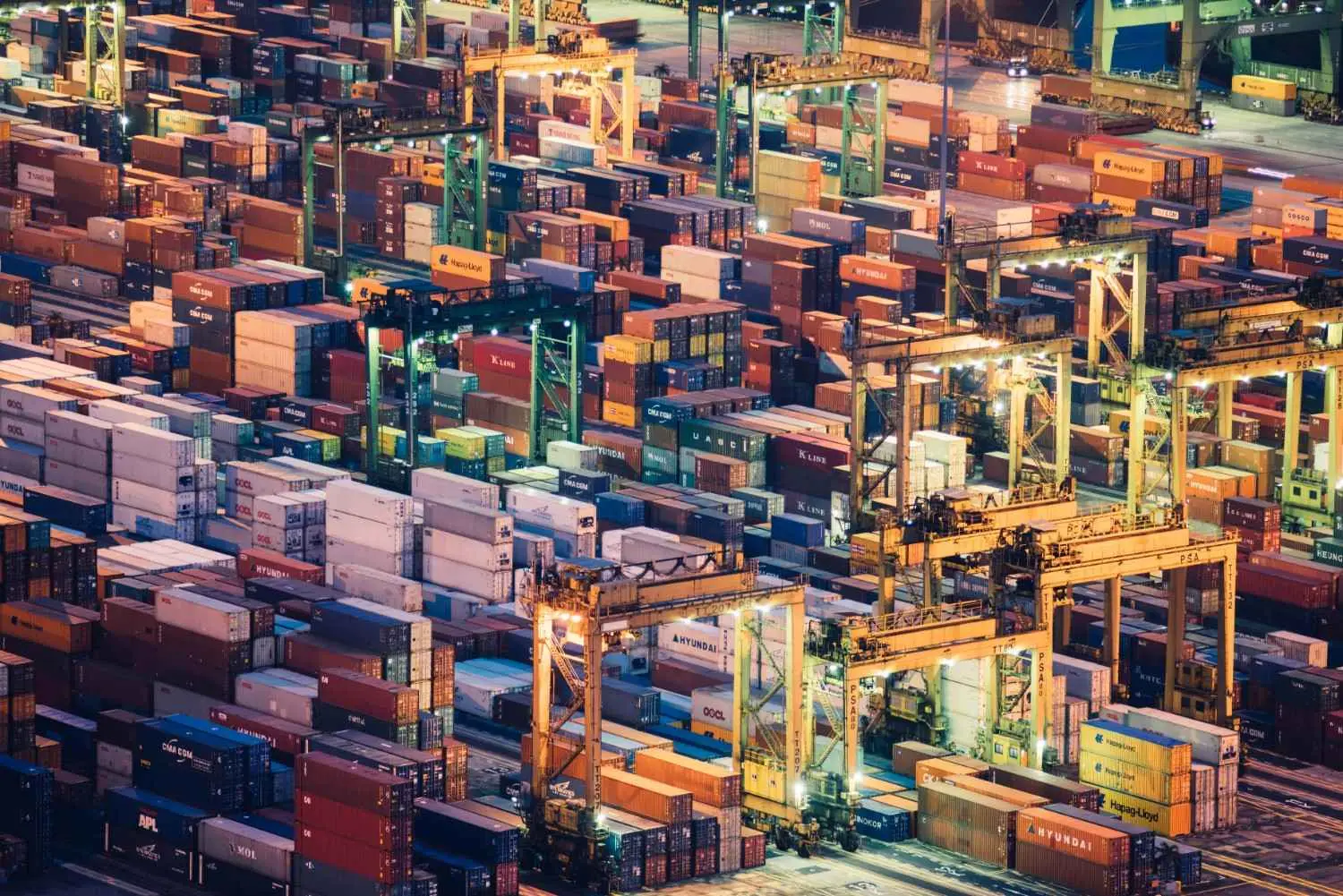
AI Optimizing Logistics
Strategic use cases we deliver
Dynamic Route Optimization for UAE Delivery Fleets
Optimize delivery routes in real-time across UAE considering traffic, weather, and delivery windows. Our AI reduces fuel costs by 30%, increases deliveries by 25%, and improves on-time delivery to 96%.

Smart Warehouse Operations for Dubai Logistics City
Automate warehouse operations with optimized picking routes and dock scheduling. Our AI reduces fulfillment time by 50%, increases capacity utilization to 87%, and handles 40% more orders with existing staff.
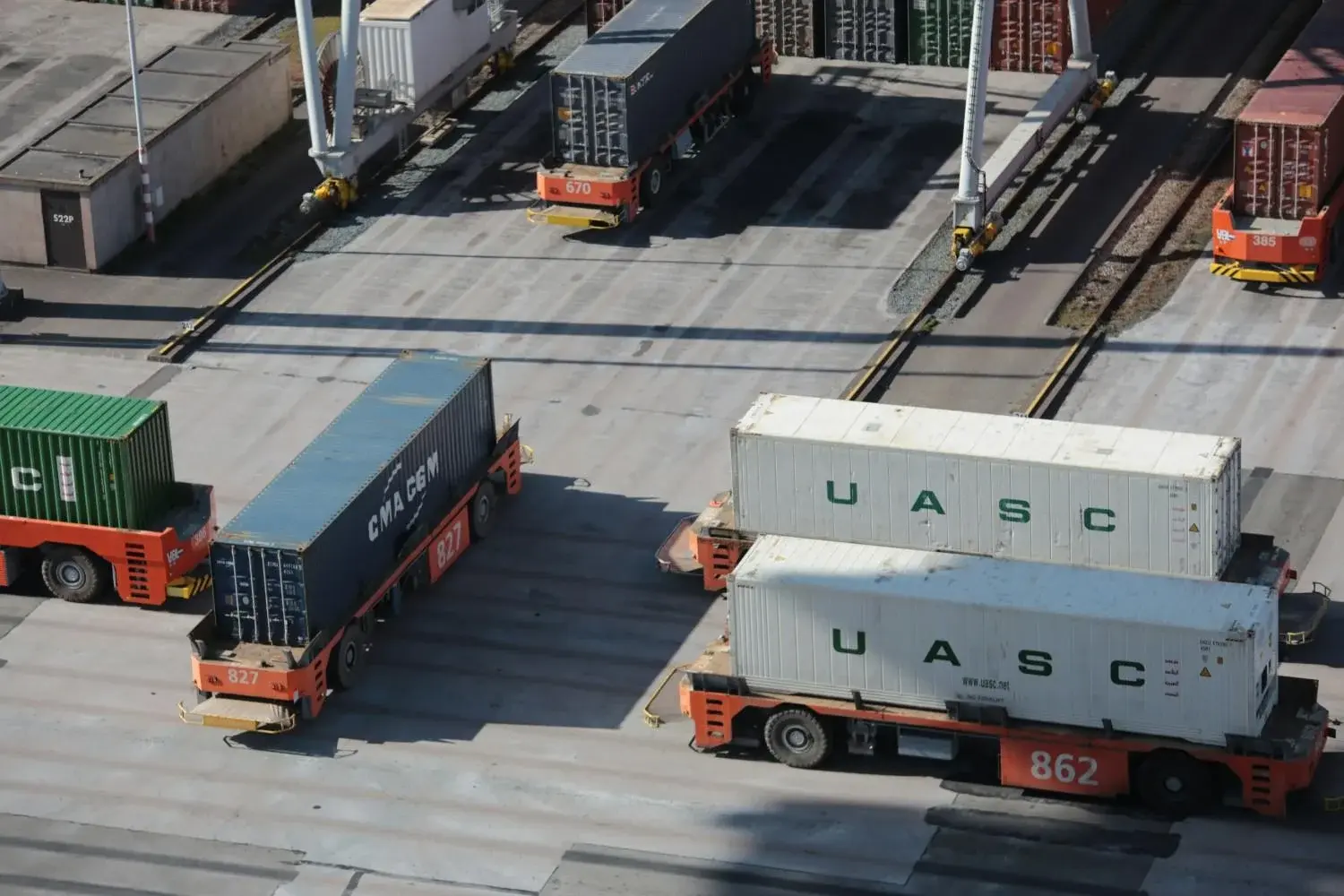
Demand Forecasting for UAE Freight Planning
Forecast shipping volumes with 93% accuracy across UAE seasonal trends including Ramadan and DSF. Our AI optimizes capacity planning, reducing costs by 25% and improving resource utilization to 84%.
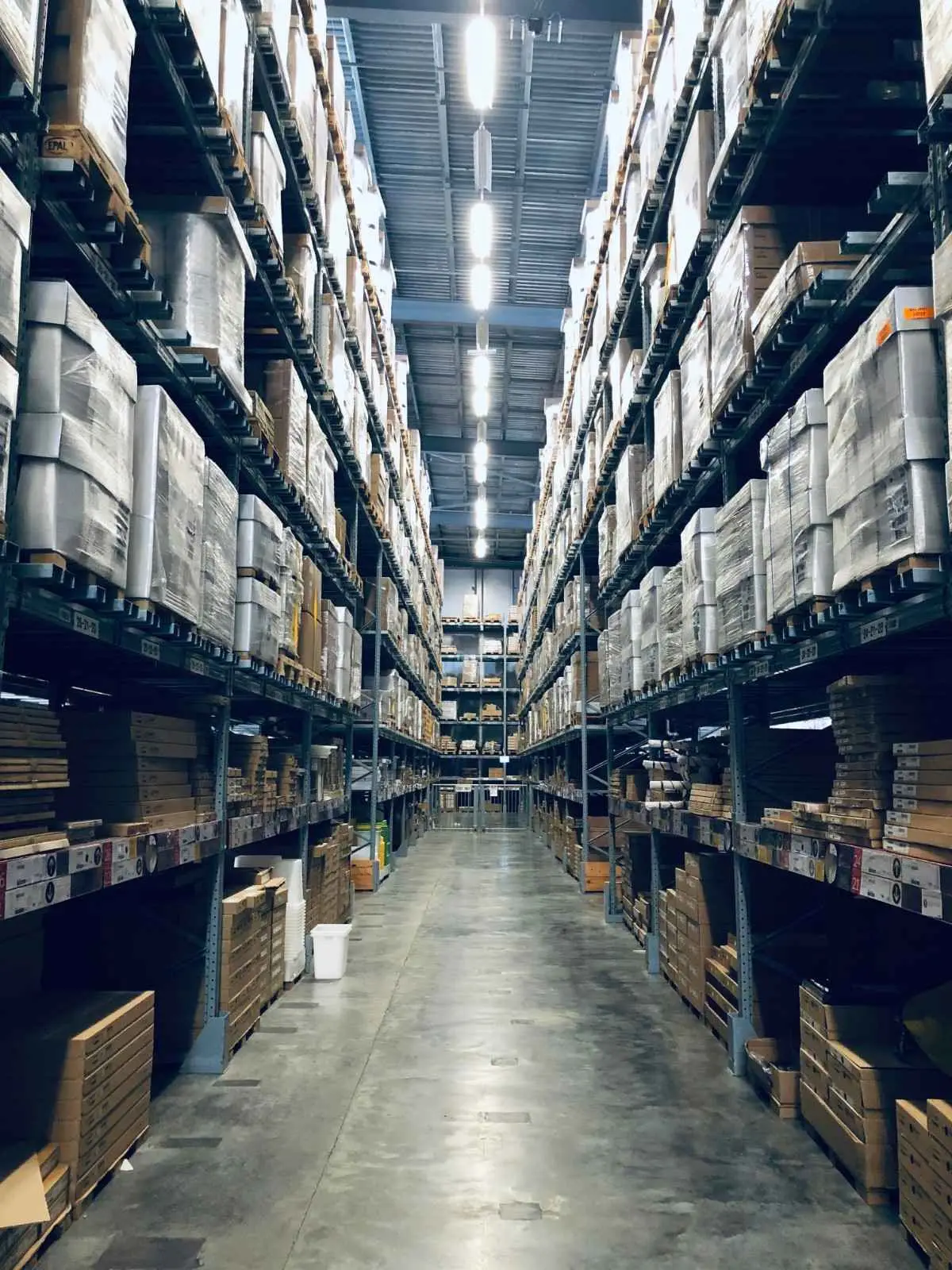
Last-Mile Delivery Optimization for Dubai Urban Areas
Optimize last-mile delivery for Dubai high-rises and gated communities. Our AI reduces failed deliveries by 60%, cuts costs by 35%, and improves customer satisfaction from 78% to 92%.
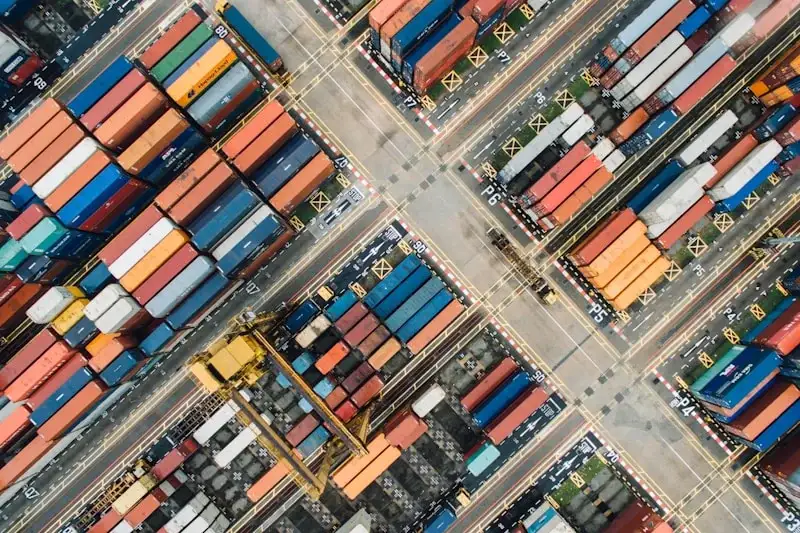
Jebel Ali Port Operations Intelligence for Freight Forwarding
Optimize Jebel Ali Port operations by predicting congestion and customs delays. Our AI reduces dwell time by 33%, predicts delays with 88% accuracy, and cuts shipping costs by 22%.
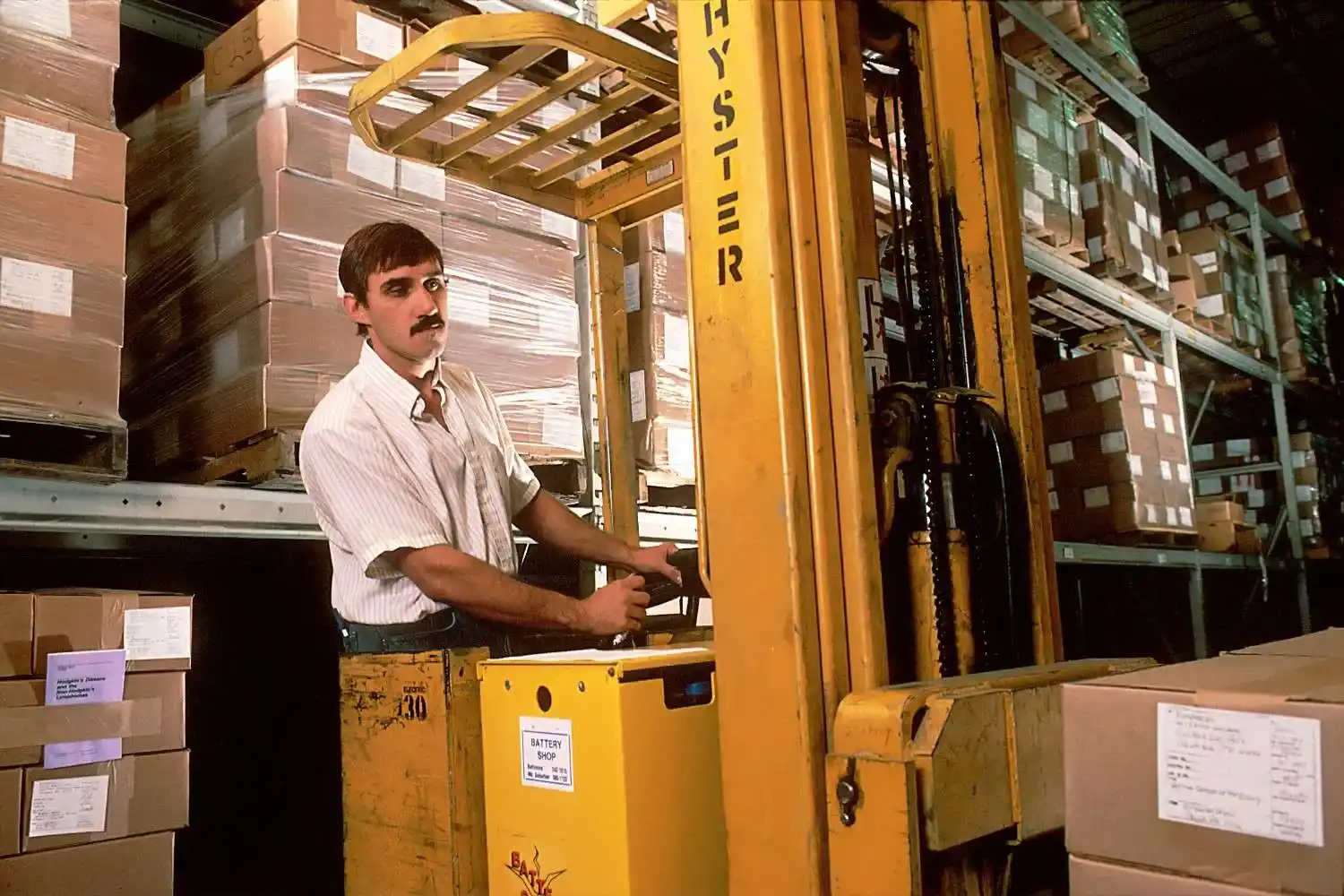
Our Logistics AI Capabilities
We don't just build software; we engineer intelligence. Our services are designed to help organizations navigate the complexities of modern AI adoption.
From initial consultation to full-scale deployment, we partner with you to create AI solutions that drive measurable business outcomes and sustainable growth.






When You Choose Mirchandani Technologies
For Logistics AI Dubai Innovation
The right Logistics AI Dubai technology accelerates supply chain outcomes, enhances route efficiency by 30%, reduces warehouse operations time by 50%, and improves on-time delivery from 82% to 96% across UAE logistics operations.
UAE Logistics Domain Expertise
Deep expertise in Jebel Ali Port operations, Dubai Logistics City warehousing, and UAE last-mile delivery with proven RTA and labor law compliance.
Proven ROI: AED 450K+ Annual Savings Per Fleet
30% fuel savings, 50% faster fulfillment, 96% on-time delivery, and 35% lower last-mile costs. Average 340% ROI within 18 months.
Real-Time Intelligence Across UAE Logistics Network
Real-time visibility with Sheikh Zayed Road tracking, 15-minute inventory updates, and 92% delivery accuracy. Bilingual mobile apps for drivers.
End-to-End Partnership From Pilot to Scale
Complete support from 2-week pilot through full deployment with bilingual training, WMS/TMS integration, and dedicated UAE team responding within 2 hours.
Dozens of AI-Powered Tools for Logistics
From predictive analytics to intelligent automation, explore our comprehensive suite of AI solutions.
Logistics AI Dubai: Real-Time Route Optimization
Calculate optimal delivery routes across Dubai, Abu Dhabi, and Sharjah in real-time considering Sheikh Zayed Road traffic patterns, Al Khail Road construction, weather conditions (sandstorms, fog), delivery time windows, vehicle capacity, and driver preferences. Logistics AI Dubai reduces fuel costs by 30% and increases deliveries per vehicle by 25% analyzing 50+ variables per route.
Optimize route for 50 Dubai deliveries considering Sheikh Zayed Road traffic and time windows
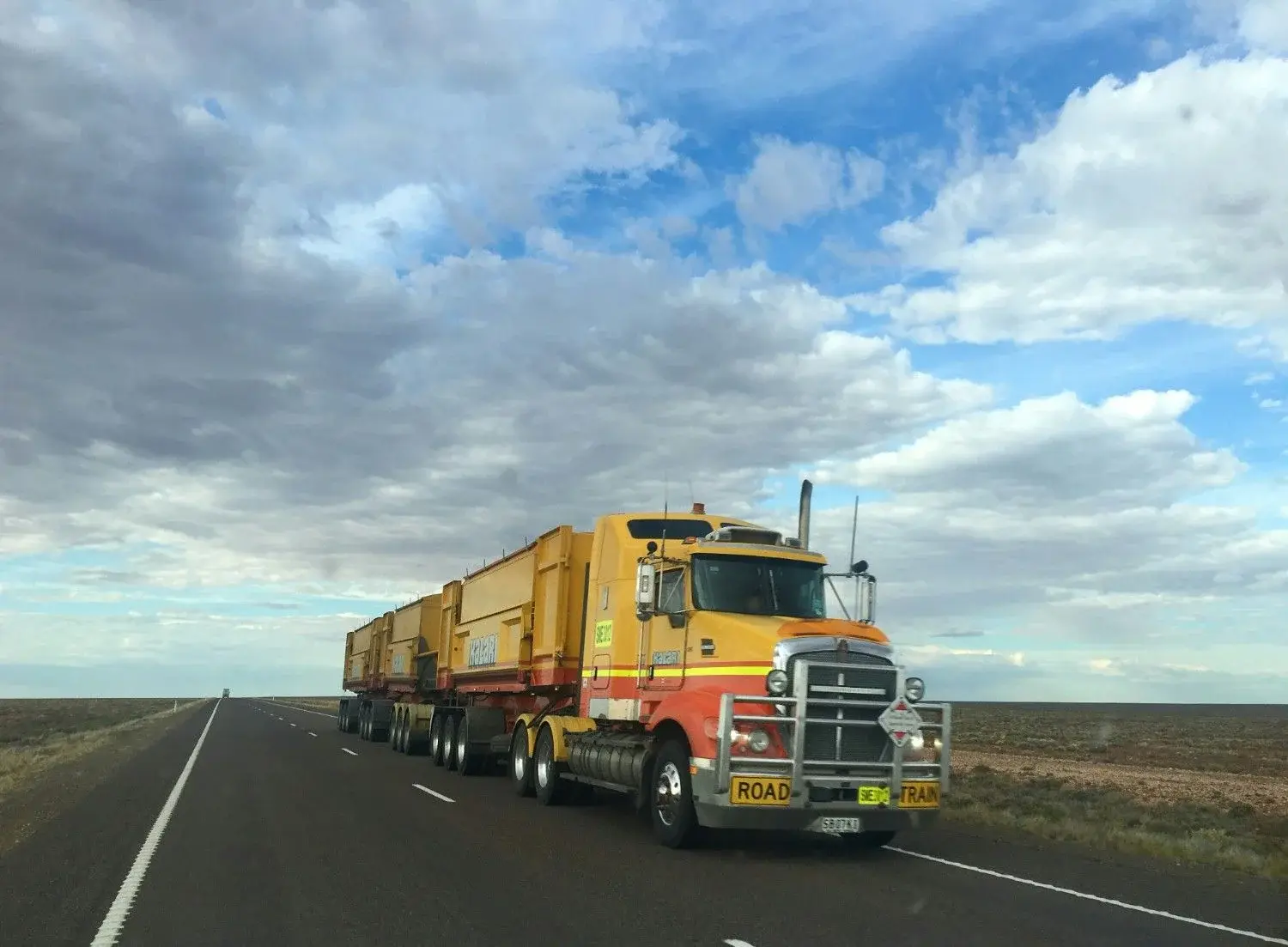

Logistics AI Questions
Common questions about AI solutions for UAE logistics and supply chain
How does AI optimize delivery routes in Dubai's complex traffic?
AI route optimization analyzes real-time traffic data, weather conditions, delivery priorities, and vehicle capacity to calculate optimal routes, reducing delivery times by 35% and fuel costs by 25%. Our system integrates with Dubai's smart traffic management and updates routes dynamically to avoid congestion, especially during peak hours and events.
What warehouse automation benefits can UAE logistics companies expect?
AI-powered warehouse management increases picking accuracy to 99.8%, reduces labor costs by 40%, and improves space utilization by 30%. Dubai logistics companies using our solutions have achieved 60% faster order fulfillment, 45% reduction in picking errors, and seamless integration with Jebel Ali Port and Dubai Logistics City operations.
How does AI improve last-mile delivery in UAE cities?
AI last-mile optimization considers delivery density, time windows, customer preferences, and UAE cultural factors (prayer times, weekends) to achieve 95% on-time delivery rates. Our solutions have reduced last-mile costs by 30%, decreased failed deliveries by 50%, and improved customer satisfaction scores by 45% for UAE e-commerce and logistics operators.
Can AI predict demand for logistics capacity in Dubai?
Yes, AI demand forecasting analyzes historical shipment data, seasonal patterns, economic indicators, and local events (DSF, Ramadan, GITEX) to predict logistics demand with 90% accuracy 30-60 days ahead. This enables better resource planning, optimal fleet utilization, and 25% reduction in operational costs for UAE logistics providers.
How does AI ensure cold chain compliance for UAE logistics?
AI-powered IoT sensors monitor temperature, humidity, and location in real-time throughout the cold chain, ensuring pharmaceutical and food safety compliance with UAE regulations. The system alerts managers to deviations within seconds, has reduced spoilage by 60%, and provides complete audit trails for regulatory compliance.
What ROI do Dubai logistics companies achieve with AI?
UAE logistics companies typically achieve 30-40% reduction in operational costs, 35% improvement in on-time deliveries, and 25% decrease in fuel consumption. Average ROI is realized within 10-14 months, with annual savings of AED 3-5 million for mid-sized operators through route optimization, reduced fuel costs, and improved asset utilization.
How does AI manage cross-border logistics through UAE ports?
AI streamlines customs clearance, documentation, and cargo tracking for shipments through Jebel Ali Port, Khalifa Port, and UAE free zones. Our solutions integrate with Dubai Trade, customs systems, and port operators to reduce processing time by 40%, improve documentation accuracy by 95%, and provide real-time shipment visibility.
Can AI integrate with existing logistics management systems?
Yes, our logistics AI integrates seamlessly with WMS, TMS, and ERP systems commonly used in UAE (SAP, Oracle, Manhattan). We provide REST APIs, EDI integration, and real-time data synchronization, ensuring smooth operation with existing infrastructure while adding advanced AI capabilities for optimization and predictive analytics.
How does AI optimize delivery routes in Dubai's complex traffic?
AI route optimization analyzes real-time traffic data, weather conditions, delivery priorities, and vehicle capacity to calculate optimal routes, reducing delivery times by 35% and fuel costs by 25%. Our system integrates with Dubai's smart traffic management and updates routes dynamically to avoid congestion, especially during peak hours and events.
What warehouse automation benefits can UAE logistics companies expect?
AI-powered warehouse management increases picking accuracy to 99.8%, reduces labor costs by 40%, and improves space utilization by 30%. Dubai logistics companies using our solutions have achieved 60% faster order fulfillment, 45% reduction in picking errors, and seamless integration with Jebel Ali Port and Dubai Logistics City operations.
How does AI improve last-mile delivery in UAE cities?
AI last-mile optimization considers delivery density, time windows, customer preferences, and UAE cultural factors (prayer times, weekends) to achieve 95% on-time delivery rates. Our solutions have reduced last-mile costs by 30%, decreased failed deliveries by 50%, and improved customer satisfaction scores by 45% for UAE e-commerce and logistics operators.
Can AI predict demand for logistics capacity in Dubai?
Yes, AI demand forecasting analyzes historical shipment data, seasonal patterns, economic indicators, and local events (DSF, Ramadan, GITEX) to predict logistics demand with 90% accuracy 30-60 days ahead. This enables better resource planning, optimal fleet utilization, and 25% reduction in operational costs for UAE logistics providers.
How does AI ensure cold chain compliance for UAE logistics?
AI-powered IoT sensors monitor temperature, humidity, and location in real-time throughout the cold chain, ensuring pharmaceutical and food safety compliance with UAE regulations. The system alerts managers to deviations within seconds, has reduced spoilage by 60%, and provides complete audit trails for regulatory compliance.
What ROI do Dubai logistics companies achieve with AI?
UAE logistics companies typically achieve 30-40% reduction in operational costs, 35% improvement in on-time deliveries, and 25% decrease in fuel consumption. Average ROI is realized within 10-14 months, with annual savings of AED 3-5 million for mid-sized operators through route optimization, reduced fuel costs, and improved asset utilization.
How does AI manage cross-border logistics through UAE ports?
AI streamlines customs clearance, documentation, and cargo tracking for shipments through Jebel Ali Port, Khalifa Port, and UAE free zones. Our solutions integrate with Dubai Trade, customs systems, and port operators to reduce processing time by 40%, improve documentation accuracy by 95%, and provide real-time shipment visibility.
Can AI integrate with existing logistics management systems?
Yes, our logistics AI integrates seamlessly with WMS, TMS, and ERP systems commonly used in UAE (SAP, Oracle, Manhattan). We provide REST APIs, EDI integration, and real-time data synchronization, ensuring smooth operation with existing infrastructure while adding advanced AI capabilities for optimization and predictive analytics.